Cardiologist Cardiology Nurse
A Design That Smiles—Then Stitches Cleanly
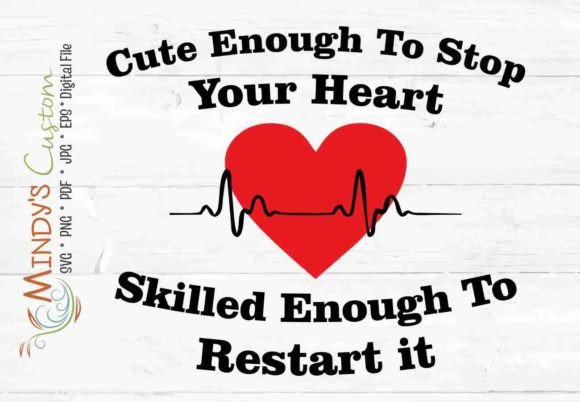
When I opened Cardiologist Cardiology Nurse for the first time, I didn’t see just another medical-themed graphic—I saw a design with quiet confidence. It’s warm but precise, playful but professional. The heartbeat line curves gently, the heart shape is simplified without feeling generic, and the “EKG nurse” phrasing lands with just enough wit to spark a smile—not eye rolls. As an embroidery designer who’s stitched hundreds of healthcare-themed pieces for boutique shops and hospital staff gifts, I immediately pictured it on a soft cotton tote bag for a cardiology nurse’s birthday: not too clinical, not too cutesy, just right.
Fits Real Projects—Not Just Mockups
This isn’t a design that lives only in digital previews. I tested Cardiologist Cardiology Nurse on a midweight cotton sweatshirt (ribbed cuffs, slight stretch), then on a lightweight linen tea towel—and both held up. On the sweatshirt, the clean lines translated well into satin stitch outlines and balanced fill stitch areas; no thread pooling or distortion. On the tea towel, the moderate stitch density kept it from stiffening the fabric, while still reading clearly at arm’s length. For Etsy sellers and small shop owners, that versatility matters: one machine embroidery design can serve custom apparel, embroidered patch kits, baby onesies (with careful placement), and even kitchen-themed nurse gift bundles.
Where It Shines—and Where to Pause
Cardiologist Cardiology Nurse works especially well on flat, stable surfaces: tote bags, pillow covers, aprons, and structured caps (front panels only). Its layout avoids tight corners and ultra-thin connectors—so no fragile jump stitches or thread breaks when hooping. I’ve used it successfully on nursery decor (framed hoop art + embroidered onesie set) and holiday embroidery projects like embroidered ornaments for nursing school grads.
But be thoughtful on textured or stretchy fabrics. On terry cloth towels or fleece-lined hoodies, the EKG line detail can blur slightly unless you add light cutaway stabilizer underneath. And while the lettering is legible, it’s not oversized—so avoid hoops smaller than 4x4 inches if you’re stitching on baby hats or tiny cap brims. Also, skip dark fabric unless you’re using high-contrast thread (think bright white or safety orange on navy); the heartbeat motif relies on clarity, not silhouette alone.
Stitching Clarity = Customer Trust
Here’s what I tell my craft business clients: people buy handmade products because they trust the care behind them. When Cardiologist Cardiology Nurse stitches cleanly—smooth curves, consistent satin edges, no skipped fills—it signals professionalism. That builds buyer engagement, especially for personalized gifts. A nurse receiving a sweatshirt with this design doesn’t just see a joke; she sees recognition. She feels seen. That emotional resonance lifts perceived value far more than any font flourish ever could.
Practical Designer Notes You’ll Actually Use
- Test first—on scrap fabric matching your final project’s weight and stretch. Even simple graphics can behave differently on bamboo jersey vs. organic cotton twill.
- Check thread color contrast before stitching a full run. Try black thread on cream fabric and white thread on charcoal—then hold both mockups 6 feet away. Which one reads faster? That’s your go-to combo.
- Review stitch density in your embroidery software. If fill areas look overly dense (especially inside the heart shape), consider reducing density by 5–8% for breathable fabrics like tees or baby clothes.
- Confirm hoop size compatibility. This design fits comfortably in a 5x7 hoop—but double-check your file’s actual dimensions before sending to machine.
- Inspect small details at 200% zoom: the peak of the EKG wave, the curve where the heartbeat meets the heart outline, the spacing between “Nurse” and the icon. These are where minor digitizing quirks hide.
- Use proper stabilizer: tear-away for stable wovens, cutaway for knits, and lightweight fusible for delicate items like silk-blend pillow covers.
- Verify licensing before selling finished items or bundling the digital embroidery file with other design assets. Since the listing says “You can use this file to make T-Shirts, Digital Files, Poste,” confirm whether commercial resale of physical products is explicitly permitted.
More Than a T-Shirt Design—It’s a Conversation Starter
I recently stitched Cardiologist Cardiology Nurse onto a set of unbleached cotton kitchen towels for a local clinic’s staff appreciation day. Nurses paused in the break room, pointed, laughed, then asked where to order their own. That’s the power of a well-balanced Graphics piece: it bridges professionalism and personality without leaning too hard in either direction. It doesn’t scream. It nods—and people lean in.
For Etsy sellers, that means higher conversion on listings with authentic lifestyle photos (not just white-background PNGs). For apparel decorators, it means fewer returns due to “didn’t look like the picture.” For hobbyists making personalized gifts? It means handing over something that feels intentional—not clip-art slapped on fabric.
Final Thought: Design Integrity Over Trend Chasing
There are flashier medical embroidery files out there—glitter-filled hearts, animated EKGs, cartoon stethoscopes with sunglasses. But Cardiologist Cardiology Nurse endures because it respects its audience. It assumes the wearer knows their craft, values clarity, and appreciates gentle humor rooted in real experience. That integrity shows up in the stitchout—and in how customers respond to the finished product. Whether you’re building a craft business, stocking a boutique, or gifting a colleague, this design earns its place not through novelty, but through quiet, confident execution.