Hospice Lightning Bolt SVG, Nurse PNG
First Impressions: Bold, Respectful, and Purpose-Driven
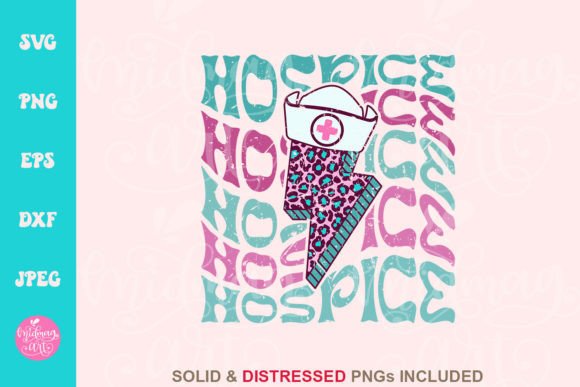
Opening the Hospice Lightning Bolt SVG, Nurse PNG zip file feels like unboxing a quiet but powerful statement. It’s not flashy in a loud way—no glitter, no cartoonish exaggeration—but it carries weight. The lightning bolt is clean-lined and slightly stylized, not jagged or aggressive; it curves with intention, almost like a heartbeat monitor’s gentle rise. The nurse figure is simplified but unmistakable: a silhouette with a soft cap and subtle posture that reads as calm, capable, and compassionate. Together, they form a design that honors both resilience and care—ideal for apparel and accessories meant to comfort, commemorate, or quietly advocate.
A Real Project Test: Embroidering a Linen Tote for a Local Hospice Fundraiser
I used the Hospice Lightning Bolt SVG, Nurse PNG on a natural linen tote bag—medium-weight, slightly textured, and destined for volunteers at a regional hospice foundation’s annual walk. This wasn’t just a test of stitch quality; it was a test of tone. Would the design feel appropriate? Would it hold up under daily use? Would recipients see themselves—and their mission—in it?
The answer was yes, but with nuance. On linen, the design read clearly at 3.5 inches wide—large enough for visibility, small enough to avoid overwhelming the fabric’s organic grain. I chose matte cotton thread in deep navy and warm charcoal (not black) to soften contrast while preserving legibility. The result was grounded, professional, and deeply human—not clinical, not sentimental, but dignified.
Where It Shines—and Where It Needs Thought
This Hospice Lightning Bolt SVG, Nurse PNG works best when intention guides placement and execution:
- Custom apparel: Sweatshirts, crewneck tees, and lightweight jackets—especially in heather grey, oat, or navy—let the design breathe without competing with busy textures.
- Tote bag design & aprons: Its balanced proportions make it ideal for left-chest placement or centered front panels. On structured fabrics, the clean lines translate cleanly into satin stitch outlines and smooth fill stitch areas.
- Embroidered patch: With minor digitizing tweaks (adding underlay and adjusting pull compensation), it converts well to a sew-on or iron-on patch—great for volunteer badges or staff lanyards.
- Baby embroidery & nursery decor: Use at smaller scale (2–2.5 inches) on swaddles or pillow covers—but only with ultra-soft stabilizer and low-density stitching to preserve drape and safety.
Proceed with Care On…
Not every surface suits this design equally. Avoid using the Hospice Lightning Bolt SVG, Nurse PNG on:
- Thin or stretchy fabric (like jersey or lightweight rayon) without proper cutaway stabilizer—fine details in the nurse’s silhouette can blur or distort.
- Dark fabric without thread color testing—the lightning bolt’s narrow arms and delicate negative space need high-contrast thread to stay legible after washing.
- Caps or curved surfaces unless resized and re-digitized for hoop clearance and tension consistency—the original SVG has no built-in curve compensation.
- Products requiring frequent laundering (e.g., kitchen towels, baby bibs) unless stitch density is verified and thread is polyester or premium rayon. Fill stitch areas must be dense enough to resist fraying over time.
How It Shapes Perception—Beyond the Stitch
For Etsy sellers and small shop owners, this Hospice Lightning Bolt SVG, Nurse PNG isn’t just a graphic—it’s a trust signal. When customers see it on a handmade product, they read professionalism, empathy, and attention to context. That matters. A poorly scaled or poorly stitched version can unintentionally feel glib; a well-executed one reinforces brand consistency and emotional resonance.
In holiday embroidery or personalized gifts—say, a mug cozy for a retiring hospice nurse or a framed pillow cover for a caregiver—it adds quiet significance. Buyers don’t just purchase the item; they’re investing in meaning. And that elevates perceived value, especially in niches where authenticity matters more than trendiness.
Practical Embroidery Designer Notes
Before committing to a full run—whether for your craft business, client project, or Etsy listing—do these five things:
- Test on scrap fabric first, using your exact stabilizer, needle, and thread combo. Linen behaves differently than cotton poplin, which behaves differently than fleece.
- Check thread color contrast in natural light *and* under indoor lighting—what reads well on screen may vanish on dark fabric.
- Review stitch density in your embroidery software. If you’re converting from the SVG yourself, watch for tight corners in the lightning bolt’s fork—these often need reduced density or added stop points to prevent puckering.
- Confirm hoop size compatibility. This design fits comfortably in a 4x4 hoop at standard scale—but if you plan to resize beyond 120%, verify that your machine handles the expanded stitch count smoothly.
- Inspect small details in both black-and-white and color mockups. Does the nurse’s outline hold? Does the bolt’s tip remain sharp, or does it feather? These are early warnings for digitizing adjustments.
Final Thought: A Design That Earns Its Place
The Hospice Lightning Bolt SVG, Nurse PNG doesn’t shout. It listens. It’s the kind of machine embroidery design that earns its place on a volunteer’s jacket, a caregiver’s tote, or a boutique’s limited-run sweatshirt—not because it’s trendy, but because it’s true. For designers, crafters, and creative entrepreneurs working in T-Shirt Designs and Graphics, it’s a reminder that the most effective embroidery files aren’t just technically sound—they carry intention in every curve and line. Use it thoughtfully, test it honestly, and let it serve something larger than the finished product.