I’m a Superhero in Scrubs
As someone who’s stitched hundreds of designs for boutique apparel, nurse appreciation gifts, and small-batch embroidered merchandise, I opened the I’m a Superhero in Scrubs files with quiet curiosity—not hype. This isn’t just another retro nurse graphic. It’s a design that lands somewhere between playful reverence and visual clarity, and it demands thoughtful application to shine. Here’s how it actually holds up when you’re holding a hoop, threading a needle, and preparing for real-world use.
First Impressions: Charm Without Clutter
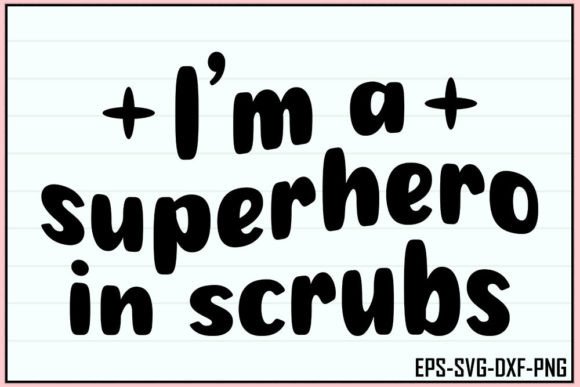
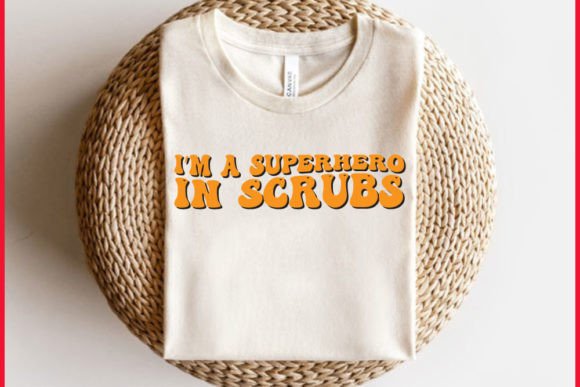
The moment you preview the SVG or PNG, the mood is unmistakable: warm, confident, slightly nostalgic—but never cutesy or outdated. The retro nurse silhouette carries clean lines, balanced proportions, and intentional spacing around the phrase “I’m a Superhero in Scrubs.” There’s no excessive ornamentation, no tangled flourishes—just strong letterforms and a figure that reads clearly even at 3 inches wide. That matters. A lot. In embroidery, legibility isn’t optional—it’s foundational. This design breathes well, which means it translates cleanly into stitch without forcing dense fill areas or awkward satin-stitch transitions.
Where It Truly Shines: Real Projects, Real People
Last week, I used I’m a Superhero in Scrubs on a set of heavyweight cotton tote bags for a local hospital’s staff appreciation day. We chose navy canvas with white thread—a classic, high-contrast combo—and the result was instantly recognizable, professional, and heartfelt. Nurses paused mid-stride to point, smile, and snap photos. That reaction tells you more than any spec sheet ever could: this design connects.
It works especially well on sweatshirt embroidery, where bulk and texture can swallow lesser graphics. The moderate height-to-width ratio keeps it stable in the hoop, and the open interior of letters like “A” and “O” avoids over-stuffing. As a baby embroidery piece on a soft knit onesie? Yes—but only if scaled down carefully and paired with lightweight stabilizer. On a tea towel or pillow cover? Absolutely. The clean outline and generous negative space make it forgiving on textured surfaces where detail can blur.
Where to Proceed With Care
This isn’t a one-size-fits-all machine embroidery design. Its charm depends on context. On stretchy fabric—like performance knits or thin jersey tees—test first. The shape holds up, but letter spacing tightens under tension, so adjust your hooping technique and consider a cutaway + tear-away stabilizer blend. On dark fabric, avoid light pastel threads unless you’re aiming for subtle tone-on-tone; go bold with cream, gold, or true white for maximum impact.
Caps and curved surfaces require extra attention. The design’s horizontal orientation means it’ll need precise digitizing adjustments for front-panel cap placement—don’t assume the included files are cap-ready without verifying stitch alignment and pull compensation. And while the file package includes SVG, DXF, PNG, and EPS, remember: those are digital embroidery file *starting points*. None are pre-digitized for embroidery machines unless explicitly stated. You’ll still need to convert, scale thoughtfully, and check stitch density before running your first piece.
Stitching Notes Every Designer Should Run Through
- Always test on scrap fabric—especially with textured or layered materials like twill aprons or quilted pillow covers.
- Review thread color contrast before stitching 50 units. What looks sharp on screen may vanish on charcoal fleece.
- Check small details: the star motif above the word “Superhero” is charming, but tiny at under ¼ inch. If embroidering for children’s items or frequent-wash products, consider simplifying or reinforcing that element.
- Confirm hoop size compatibility. At full width (approx. 5–6 inches), it fits standard 5x7 hoops—but only if centered properly. Don’t force it into a 4x4 without scaling down and re-evaluating proportion.
- Use proper stabilizer for the base fabric—not just the project type. A linen tea towel needs different support than a polyester tote.
- Test black-and-white mockups to assess value contrast, especially if offering custom apparel through an Etsy shop or local boutique.
- Verify licensing before selling finished products or reselling the digital embroidery file. The description says it’s usable for T-shirt, mug, pillow, bag, and clothes printing—but commercial embroidery rights aren’t automatically implied unless confirmed.
Beyond the Stitch: How It Shapes Perception
When customers see I’m a Superhero in Scrubs on a handmade product, they don’t just register a nurse theme—they register intention. Thoughtful spacing, balanced weight, and retro-but-not-antiquated styling signal care. That builds trust, especially for personalized gifts or boutique branding. For an Etsy seller launching a line of healthcare-themed embroidered goods, this design elevates perceived value—not because it’s flashy, but because it feels considered.
It also performs well across audiences. New grad nurses love it for celebratory sweatshirts. Pediatric units use it on pocket badges and scrub caps. Grandmothers order it for baby blankets as gentle, uplifting nursery decor. That versatility is rare—and valuable—for craft business owners juggling holiday embroidery deadlines, craft fair prep, and consistent digital product listings.
A Final Note on Practicality
This isn’t a “set it and forget it” embroidery file. But it’s not fussy either. It’s honest. It asks for attention to fabric, thread, and context—and rewards that attention with warmth, clarity, and resonance. Whether you’re stitching a single custom apron for a friend or producing 200 embroidered patches for a nursing conference, I’m a Superhero in Scrubs gives you room to work, space to breathe, and a message that lands.
If you’re evaluating it for your next batch of handmade products, start simple: stitch it on a natural-color cotton tote with medium-weight stabilizer and high-contrast thread. Then step back. Does it read immediately? Does it feel like something someone would proudly carry—or gift—or wear? If yes, you’ve found more than a design. You’ve found a quiet, confident ally in your embroidery project toolkit.