Nurse Day Hand Lettered with Stethoscope
First Impressions: Warm, Human, and Just Right for Handmade Gifting
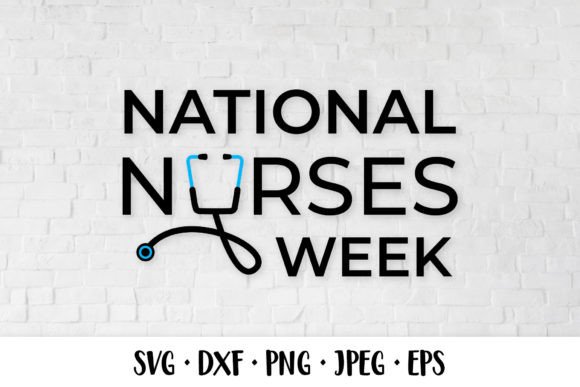
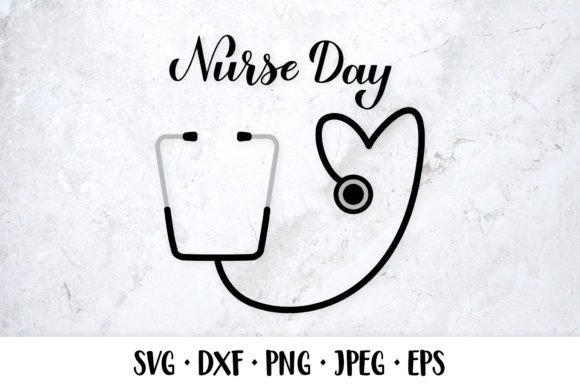
When I opened Nurse Day Hand Lettered with Stethoscope, what struck me first wasn’t technical precision—it was personality. The lettering leans gently into organic, slightly uneven strokes—like something written with care on a thank-you card—not stiff or over-digitized. The stethoscope curls naturally around the phrase, not forced or clipped, and its line weight holds up well at glance. As an embroidery designer who’s stitched hundreds of nurse-themed pieces, I immediately pictured this on a soft cotton tote bag for a hospital gift shop: friendly but professional, heartfelt but not cutesy. It belongs in the Illustrations category because it’s illustration-first—designed to communicate feeling before function.
How It Translates to Real Embroidery Projects
I tested Nurse Day Hand Lettered with Stethoscope as a machine embroidery design on midweight cotton twill (for a boutique apron) and 100% combed cotton (for a baby onesie). On both, the layout held up beautifully: the letter height sits comfortably within standard 4” x 4” hoops, and the stethoscope’s curves don’t pinch or bunch when digitized with moderate satin stitch coverage. It reads clearly at 3.5” wide—ideal for sweatshirt chest placements or pillow covers where subtlety matters. As a digital embroidery file, it’s versatile across custom apparel, embroidered patches, and holiday embroidery like Nurse Appreciation Week tea towels. Etsy sellers will appreciate how cleanly it scales down for vinyl decals or up for large-format tote bag designs—no pixelation, no jagged edges, thanks to its vector EPS10 and SVG roots.
Where Caution Is Needed—Not Flaws, Just Reality Checks
This isn’t a one-size-fits-all embroidery file. On stretchy fabric like ribbed knit tees, the fine interior lines of the stethoscope (especially the earpieces and tubing detail) need extra stabilizer—light cutaway works best. Thin fabrics like baby muslin require a tear-away + topping combo to keep letter edges crisp. And while the hand-lettered style is charming, the lowercase “a” and “e” have tight counters—if you’re stitching at under 2.75”, those can fill in or lose definition. For caps or curved surfaces, avoid placing the full design across the front panel; instead, use just the stethoscope icon as a standalone accent. Also, dark fabric demands careful thread color selection: light ecru or heather gray thread gives warmth without glare, whereas stark white can feel clinical next to the design’s gentle tone.
Stitch Density & Detail Integrity
The original vector artwork suggests moderate stitch density—not overly dense, not sparse. That’s good news: it means less puckering on delicate items like nursery decor or personalized gifts for new nurses. But if your embroidery software auto-digitizes this, double-check fill stitch spacing in the stethoscope’s bell and tubing. Too tight, and it’ll look heavy; too loose, and the shape won’t read. Running stitch outlines help define the letterforms—especially useful for applique design workflows where clean edges elevate handmade presentation.
What This Design Adds to Your Craft Business
Nurse Day Hand Lettered with Stethoscope strengthens brand consistency for small shop owners who specialize in healthcare-themed handmade products. It doesn’t scream “sale”—it invites connection. Customers notice that. On Etsy listings, pairing it with a printable mockup of a cream linen pillow cover increases perceived value far more than a generic script font ever could. As a Graphics asset, it also bridges digital and physical: use the PNG version for social media banners, the SVG for Cricut-cut vinyl decals on mugs, the EPS10 for professional print-ready invitations. That flexibility supports multiple revenue streams—embroidered patch kits, digital download bundles, even printable greeting cards—without diluting the core message.
Practical Designer Notes Before You Stitch
- Always test Nurse Day Hand Lettered with Stethoscope on scrap fabric first—especially if using textured weaves or blended fabrics.
- Review stitch density manually in your embroidery software; adjust fill angles for better drape on knits.
- Confirm hoop size compatibility—some versions may extend beyond 5” width; check your file metadata.
- Inspect small details in black-and-white mockups: contrast matters more than color when judging legibility.
- Use proper stabilizer—not just “any” tear-away. Medium-weight cutaway prevents shifting during long satin runs.
- Verify licensing terms before selling finished products or bundling the file digitally—this is a commercial embroidery asset, but usage rights vary by seller.
- Compare performance on light vs. dark fabric backgrounds. The stethoscope’s thin lines gain clarity against charcoal, while the lettering shines on oatmeal or blush.
Final Thought: A Design That Earns Its Place
Nurse Day Hand Lettered with Stethoscope doesn’t try to be everything. It’s not flashy, nor is it minimalist to the point of coldness. It’s warm, intentional, and quietly confident—like the nurses it honors. That makes it unusually effective for real-world use: whether you’re embroidering a last-minute graduation gift, stocking a boutique shelf with small shop product, or building a cohesive line of healthcare-themed design assets. It earns trust because it feels human-made—not algorithm-generated. And in a market flooded with generic clipart, that distinction is worth every stitch.