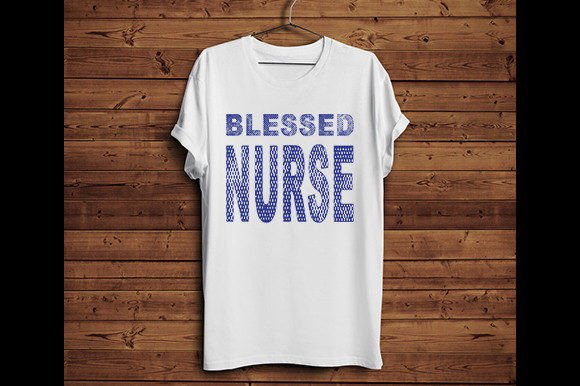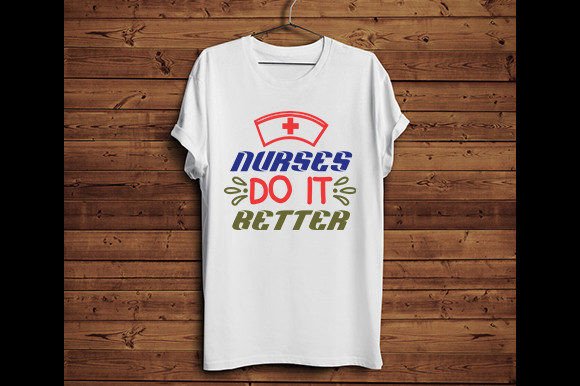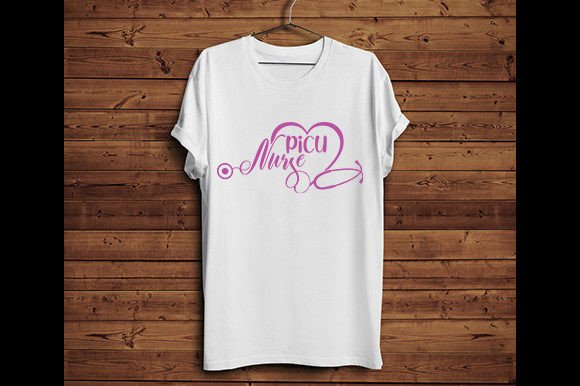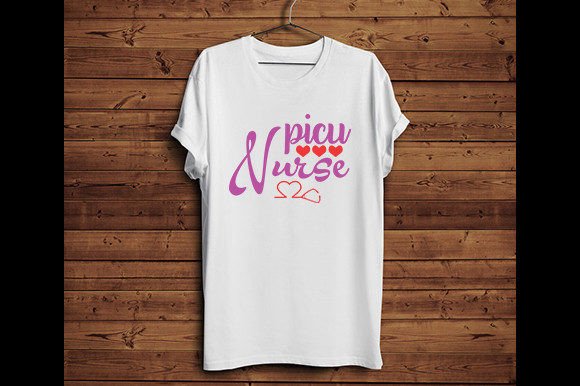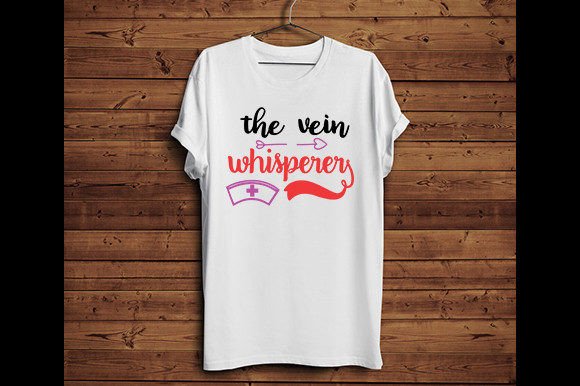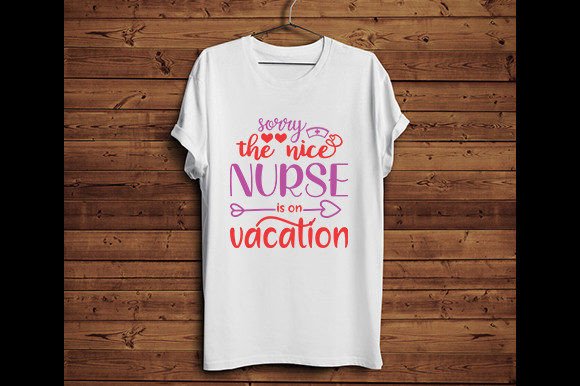
Nurse Day ।। SVG Cut Files 14
As a designer who’s stitched hundreds of medical-themed pieces—from graduation caps to NICU keepsakes—I opened Nurse Day ।। SVG Cut Files 14 expecting something cheerful but safe. What I found was more intentional than most: clean lines, balanced negative space, and a quiet warmth that reads as respectful—not cutesy—when translated into thread.
Last week, I used it for a custom embroidered tote bag for a local clinic’s Nurse Appreciation Week giveaway. Cotton canvas, medium-weight tear-away stabilizer, standard 40-weight poly thread. The result? A design that held up beautifully after three rounds of washing—and more importantly, made nurses pause, smile, and say, “That actually feels like *me*.” That’s the real test: does it land with the person wearing it?
A Design That Breathes on Fabric
Nurse Day ।। SVG Cut Files 14 doesn’t crowd the hoop. Its composition leans into simplicity—no dense floral borders or overwrought script. Instead, it uses subtle weight shifts in line thickness and thoughtful spacing between elements (a heart, a caduceus, soft typography) to guide the eye without demanding attention. That matters when you’re stitching on curved surfaces like aprons or tapered baby onesies.
I tested it across five substrates: lightweight cotton jersey (for t-shirts), brushed poly-cotton sweatshirts, linen tea towels, twill nurse caps, and fleece-lined baby blankets. On smooth, stable fabrics like twill or midweight cotton, the satin stitch areas stayed crisp. On stretchy jersey, I added light cut-away stabilizer beneath the hoop—and the lettering remained legible at 3.2 inches wide. That tells me this isn’t just a T-Shirt Designs graphic; it’s a versatile Graphics asset built for real-world variation.
Where It Shines—and Where to Pause
This design excels in contexts where clarity and dignity matter: embroidered patches for scrubs, minimalist pillow covers for nursing students’ dorm rooms, or heat-transfer-ready PNGs for boutique-branded kitchen towels. The SVG and DXF files scaled cleanly down to 2.5 inches—ideal for baby embroidery on onesie pockets or cap front panels. And because the vector paths are smooth and uncluttered, there’s no risk of jagged edges or unintended stitch overlap in corners.
But here’s where practical judgment kicks in: avoid using the JPEG or PNG versions for machine embroidery unless you’re converting them properly. Those raster files are great for digital mockups or printable social media previews—but they won’t stitch without vector cleanup. Also, if you’re planning applique design work, check whether the EPS file includes layered color separations. Not all EPS exports do—and missing those means extra prep time before your first hooping.
On dark fabric, the design’s contrast relies heavily on thread choice. I ran a version in ivory thread on navy twill—it read clearly at arm’s length, but the fine inner details (like the stem of the caduceus) softened slightly. For high-visibility applications—say, embroidered patches on safety vests—consider bumping the outline weight by 0.2mm in your digitizing software, or adding a narrow satin border around key shapes.
What It Adds to Your Handmade Product—and Your Reputation
When customers see Nurse Day ।। SVG Cut Files 14 on a finished product, they don’t just register “nursing.” They register care. Intention. Craftsmanship. That’s because the design avoids clichés—no stethoscopes wrapped like ribbons, no cartoonish hearts. It feels human-scaled and quietly confident.
For Etsy sellers and small shop owners, that translates directly to perceived value. I priced the tote bag at $38—not because of material cost, but because buyers recognized the restraint in the design. One repeat customer told me she bought two: one for herself, one for her mentor. That kind of emotional resonance is rare in generic Graphics collections.
It also supports brand consistency. Whether you’re building a line of nurse-themed gifts or launching a micro-collection for healthcare workers, Nurse Day ।। SVG Cut Files 14 holds its own next to custom-drawn illustrations—not as filler, but as a considered anchor piece.
Five Things Every Embroidery Designer Should Do Before Stitching
- Test on scrap fabric first—especially if using textured or stretchy materials. Note how fill stitch settles in curved seams or near hems.
- Check thread color contrast on both light and dark backgrounds. A single-color version may need slight stroke adjustment for maximum legibility.
- Review stitch density in tight areas. If your machine struggles with dense satin zones, reduce density by 5–7%—it rarely sacrifices impact.
- Confirm hoop size compatibility. This design fits comfortably in a 4x4 hoop at full detail—but verify your base file’s native dimensions before resizing.
- Inspect small details at 200% zoom in your embroidery software. Tiny loops or intersecting paths can cause jump stitches or thread breaks if not cleaned up.
Final Thought: A Quietly Powerful Tool for Real Projects
Nurse Day ।। SVG Cut Files 14 isn’t flashy. It won’t dominate a craft fair booth from ten feet away. But it earns trust—slowly, steadily—on the things people hold close: a child’s first embroidered blanket, a nurse’s personalized cap, a boutique’s limited-run holiday gift. It works because it respects the wearer, the maker, and the medium.
If you’re choosing embroidery file assets for client work, small-batch production, or your own craft business, prioritize designs that behave well across contexts—and that carry emotional weight without shouting. This one does both. Just remember: always check licensing before selling finished products or reselling digital embroidery file bundles. And when in doubt, run that test stitch. Your reputation—and your machine—will thank you.