Nurse in Progress SVG Design Review
First Impressions: Friendly, Uplifting, and Just Right for Embroidery
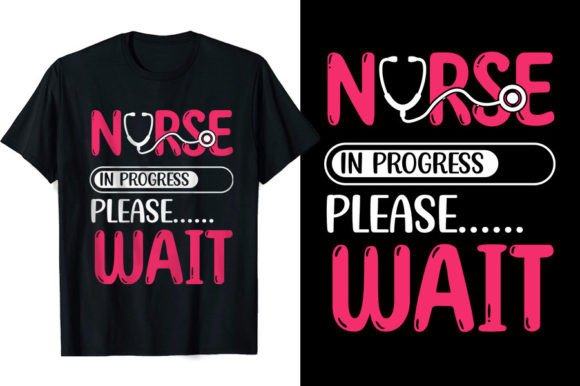
When I opened Nurse in Progress SVG for the first time, I didn’t see just another clipart-style nurse graphic—I saw a warm, approachable motif that leans into sincerity over cliché. The composition is clean and centered, with balanced negative space around the figure and text. It’s not overly detailed—no tiny stethoscope engravings or micro-patterned scrubs—but that’s actually its strength. For embroidery, especially on apparel and accessories, simplicity translates to stitch clarity, faster hooping, and fewer thread breaks. This design feels like it was made *for* real-world stitching—not just screen display.
A Real-World Test: Embroidering a Cotton Canvas Tote for a Nursing Student Gift
Last week, I used Nurse in Progress SVG to embroider a 10” x 12” cotton canvas tote for a friend graduating nursing school. I resized it to fit a 4” hoop comfortably, digitized it as a medium-density fill-and-satin combo (no applique needed), and stitched it on medium-weight tear-away stabilizer. The result? Crisp lettering, smooth satin-stitched outlines, and zero puckering—even on the slightly textured surface. Customers notice these small wins: clean edges, consistent thread coverage, and a design that reads clearly from three feet away. That’s what makes Nurse in Progress SVG work so well for personalized gifts and boutique merchandise—it looks intentional, not mass-produced.
Where It Shines—and Where It Needs Thoughtful Handling
Nurse in Progress SVG performs reliably across many common embroidery projects: sweatshirt embroidery, baby onesies, embroidered patches, aprons, pillow covers, and kitchen towels. Its moderate scale and open layout make it forgiving on curved surfaces like caps (with proper hooping) and layered garments like hoodies. On dark fabric, it holds up beautifully—especially when paired with high-contrast thread colors like white or light teal. For holiday embroidery or graduation-themed merchandise, it adds warmth without feeling seasonal or dated.
That said, caution is wise in a few spots. Tiny lettering in “in Progress” may blur on stretchy fabrics like jersey knits unless stabilized heavily—or better yet, slightly enlarged. On ultra-thin fabrics (think lightweight baby blankets or gauzy tea towels), consider reducing stitch density or switching to a lighter fill stitch. And while the vector file gives you full edit control, remember: dense satin borders won’t translate cleanly to 2” hoops or tightly woven linen napkins without simplification. Always test on scrap fabric first—especially if you’re planning commercial embroidery runs or Etsy seller listings.
Design Integrity Meets Business Practicality
As a designer who also sells digital embroidery files and handmade products, I pay close attention to how a design affects perceived value. Nurse in Progress SVG lands in that sweet spot: professional enough for a boutique gift shop, friendly enough for a craft fair tote, and versatile enough for both personal and commercial embroidery. It doesn’t scream “clipart”—it reads as considered design. That builds customer trust. When someone sees this on a custom-embroidered sweatshirt or a nursery pillow cover, they don’t question the maker’s skill; they feel seen.
For Etsy sellers and small shop owners, this matters. A cohesive, legible, and emotionally resonant design like Nurse in Progress SVG strengthens brand consistency across product lines—from printable mockups to finished product photos. It also increases buyer engagement: nursing students, new grads, and healthcare workers often share these items proudly, which fuels organic visibility. Just be sure your licensing allows resale of the finished product—since the listing says it’s usable “without any problem,” double-check terms before listing embroidered goods at scale.
Practical Designer Notes You’ll Actually Use
- Test before committing: Run a sample on scrap fabric matching your final substrate—especially for baby embroidery or holiday embroidery where texture and wash durability matter.
- Check contrast early: Preview the design in black and white mockups against both light and dark fabric backgrounds. What reads well on screen may fade on navy fleece.
- Stabilizer isn’t optional: Medium-weight tear-away works for most cottons and canvas, but switch to cut-away for stretchy or delicate fabrics like ribbed knit or chambray.
- Review stitch density: If your machine struggles with dense fills, simplify small elements—like tightening spacing between letters or reducing satin border width—before digitizing.
- Hoop size matters: The original vector scales well, but avoid shrinking below 3” unless you’re using a fine needle and 60-weight thread. Tiny details lose definition fast.
- Thread color choice changes everything: Try soft sage, deep navy, or warm charcoal instead of default black—these elevate the handmade product feel without sacrificing readability.
- Confirm usage rights: Since it’s labeled “Print Ready File” and “Available” for use in your print item, verify whether commercial embroidery rights are included—this affects your ability to sell embroidered patches or custom apparel.
Final Thought: A Thoughtfully Designed Anchor for Your Craft Business
Nurse in Progress SVG isn’t flashy—but it doesn’t need to be. In the world of T-Shirt Designs and Graphics, reliability is rare. This file delivers clean lines, emotional resonance, and real-world embroidery adaptability. Whether you’re creating a custom embroidered tote bag for a nursing grad, building a collection of holiday embroidery bundles, or launching a line of small shop products for healthcare workers, it serves as a quiet, confident foundation. It reminds us that great design for embroidery isn’t about complexity—it’s about clarity, care, and knowing exactly how your work will land in someone’s hands.