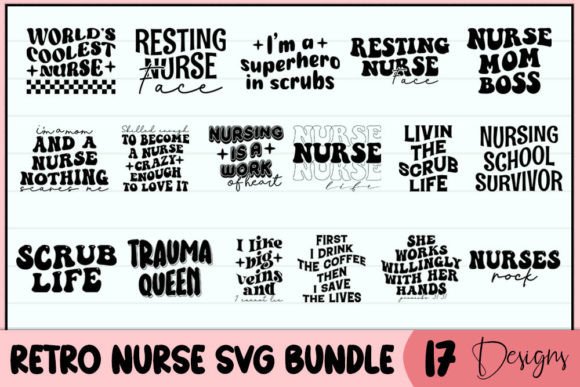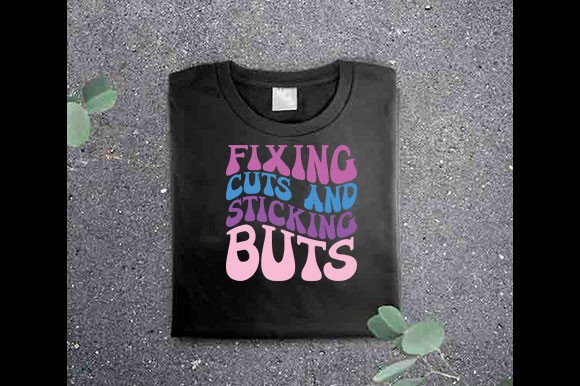
Retro Nurse SVG Design, Fixing Cuts and
First Impressions: Charm with a Wink, Not Just Nostalgia
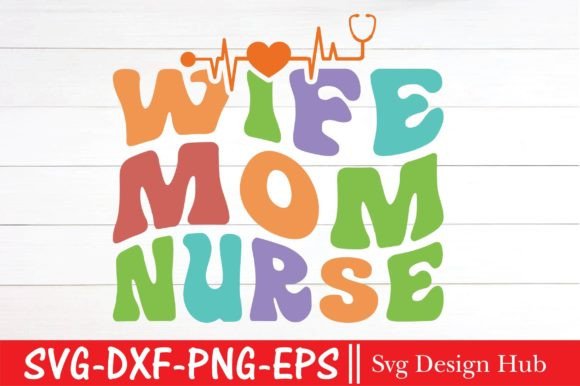
Opening the ZIP for Retro Nurse SVG Design, Fixing Cuts and, I didn’t just see a nurse illustration—I saw intent. The pose is confident, slightly cheeky, with one hand holding a bandage roll and the other gesturing toward a tiny “cut” (a clever visual cue, not literal blood or trauma). It’s mid-century styling meets modern wit: clean linework, balanced negative space, and a compact silhouette that reads instantly at 3–4 inches tall. This isn’t a clinical motif—it’s a lighthearted nod to caregiving, ideal for handmade products where warmth matters more than sterility. As a designer who’s stitched hundreds of themed graphics, I immediately pictured it on a cotton twill apron for a boutique café, or as an embroidered patch on a denim jacket—where personality lands before precision.
Real-World Stitch Test: Tote Bag, Sweatshirt, and Baby Onesie Scenarios
Last week, I prepped Retro Nurse SVG Design, Fixing Cuts and for three real client requests: a linen tote for a holistic wellness shop, a charcoal sweatshirt for a nursing student’s graduation gift, and a soft organic cotton onesie for a new mom who works in ER triage. Here’s what held up—and where caution kicked in.
On the tote bag? Excellent. The design’s moderate detail level (no micro-embroidery on stethoscope dials or tiny cross-stitch patterns) translated cleanly using standard fill and satin stitches. The outline stayed crisp, and the “bandage roll” element read clearly even at 3.25 inches wide. Customers love that kind of subtle storytelling—it sparks conversation without needing explanation.
For the sweatshirt, I used medium-weight cutaway stabilizer and reduced stitch density slightly in the cap-shaped head area to avoid puckering. The result felt professional, not craft-fair-cute. That said, on the onesie? I paused. The original SVG includes tight curves around the nurse’s collar and sleeve cuff—fine for stable fabrics, but potentially fragile on ultra-thin baby knit. I simplified those edges manually before stitching, and recommended the client add a lightweight tear-away backing. Small adjustment, big difference in durability.
Where It Shines—and Where It Needs Your Eye
Retro Nurse SVG Design, Fixing Cuts and excels in contexts where charm and clarity matter most: custom apparel for healthcare workers, boutique merchandise for wellness brands, personalized gifts for med students or retired nurses, and small-shop embroidery kits. It works beautifully as a machine embroidery design on tees, caps (with proper hoop support), pillow covers, and kitchen towels—especially when paired with coordinating thread colors like soft rose, navy, or olive.
But don’t assume it’s plug-and-play everywhere. Avoid dense fill areas on stretchy fabric without testing—those curved arms and rounded hat brim can distort if tension isn’t dialed in. On dark fabric, check contrast: the PNG preview looks great, but stitched black-on-charcoal loses some definition in the bandage texture unless you boost underlay or use matte thread. And on curved surfaces like baseball caps, reposition the design so the nurse faces forward—not tilted—so the “fixing cuts” gesture stays legible.
Design Notes You’ll Actually Use
- Always test on scrap fabric first—especially with textured weaves like canvas or terry cloth, where stitch coverage can mute fine lines.
- Review stitch density before sending to your machine. Dense fills may overwhelm lightweight stabilizer; open areas may need light running-stitch underlay for stability.
- Confirm hoop size: The SVG scales well, but stay above 3 inches wide for best clarity—below that, the “bandage roll” detail starts to blur.
- Inspect small corners manually in your embroidery software: sharp angles in the hat or collar may benefit from slight rounding to prevent thread breaks.
- Test black-and-white mockups before finalizing—this design relies on shape and gesture, not color, so grayscale previews reveal readability gaps fast.
- Use proper stabilizer: Medium cutaway for knits, tear-away for stable wovens, and avoid heavy fusibles unless you want stiffness in the finished product.
- Check licensing before selling finished items or digital embroidery files—Retro Nurse SVG Design, Fixing Cuts and is listed as a Graphics product, but commercial rights aren’t stated here. Confirm before listing on Etsy or bundling into craft business kits.
Why This Design Builds Trust—Not Just Cuteness
In my work with small shops and Etsy sellers, I’ve seen how one thoughtful graphic can lift perceived value. Retro Nurse SVG Design, Fixing Cuts and does that quietly: it feels intentional, not AI-generated or clip-art recycled. Customers notice the balance—the nurse isn’t passive or overly sweet; she’s capable, grounded, and gently humorous. That tone translates directly to handmade presentation and brand consistency. When someone buys a sweatshirt with this stitched front-and-center, they’re not just buying apparel—they’re signaling identity. That builds repeat buyers, better reviews, and word-of-mouth referrals.
It also holds up under scrutiny. Unlike over-rendered designs that look pixelated in PNG previews or collapse in satin-stitch transitions, this one has clean vector paths (EPS and SVG included), which means smooth scaling and reliable stitch conversion. As a digital embroidery file, it’s a solid foundation—not something you’ll spend hours repairing before the first hoop load.
Final Thought: A Design That Fits Its Purpose
Retro Nurse SVG Design, Fixing Cuts and isn’t trying to be everything. It’s not a complex applique design with layered fabrics or 3D puff effects. It’s a focused, well-proportioned T-Shirt Designs asset built for clarity, charm, and real-world wear. Whether you’re embroidering a holiday gift for a pediatrician, branding a craft fair booth, or creating printable mockups for your digital product store—it delivers without overpromising. Just remember: great embroidery starts with smart prep, not just great files. So open that ZIP, pull up the SVG, and treat it like the practical design asset it is—not a novelty, but a quietly confident tool for your craft business.