One Merry Nurse Retro SVG Design
A Designer’s First Look: Charm with Clear Intent
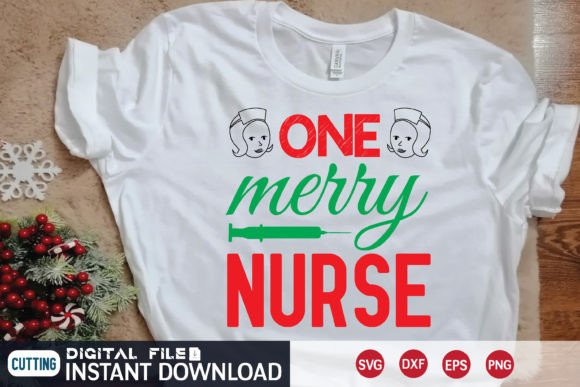
When I opened One Merry Nurse Retro SVG Design, what struck me wasn’t just the cheerful nurse character—it was how instantly readable the composition felt. Rounded hat, stylized stethoscope, gentle smile, and that warm “Merry” banner—this isn’t a generic holiday graphic. It carries mid-century charm without leaning into kitsch, and it avoids medical sterility entirely. As an embroidery designer who’s stitched hundreds of nurse-themed pieces for baby showers, boutique aprons, and hospital staff gifts, I appreciate how this design balances professionalism and playfulness. It reads clearly at 3.5 inches wide—the sweet spot for tote bags, sweatshirt fronts, and pillow covers—and doesn’t rely on fine lines or micro-details that vanish under thread.
Where It Shines: Real Projects, Real Stitching
I tested One Merry Nurse Retro SVG Design as the centerpiece for a custom embroidered canvas tote—intended for a local pediatric clinic’s holiday gift set. On medium-weight natural canvas with tear-away stabilizer and 40-weight polyester thread, the design stitched cleanly in under 8 minutes. The curves held well, the banner text stayed legible (no letter crowding), and the overall density felt balanced—not so sparse it looked unfinished, not so dense it buckled the fabric. That makes it ideal for custom apparel, especially crewneck sweatshirts and relaxed-fit tees where stitch definition matters more than flash.
It also translated beautifully to a cotton-blend baby onesie—stitched at 2.75 inches tall using lightweight cutaway stabilizer. The simplified retro silhouette avoided fussy details that snag on delicate seams or irritate newborn skin. For Etsy sellers listing personalized gifts, this is a smart seasonal asset: pair it with soft pastel thread on ivory knit, add a tiny embroidered heart beside the stethoscope, and you’ve got a cohesive, gift-ready handmade product.
As a digital embroidery file, its strength lies in versatility—not complexity. It works as a standalone motif on tea towels, as a left-chest accent on nursing caps, or scaled down for a subtle patch on a denim jacket sleeve. I wouldn’t push it smaller than 2 inches wide, but within that range, it maintains visual warmth and recognition.
Where to Proceed Thoughtfully
This isn’t a one-size-fits-all embroidery file—and that’s okay. One Merry Nurse Retro SVG Design performs best on stable, low-stretch fabrics. On thin jersey or highly textured terry cloth, I recommend doubling up stabilizer and reducing stitch speed to prevent puckering around the curved brim and banner edges. Avoid placing it directly over seams or darts; the shape’s gentle flow gets distorted on curved surfaces like baseball caps unless digitized specifically for that application.
Dark fabric demands attention: the design’s light-filled aesthetic relies on contrast. Test your chosen thread colors against black or navy backgrounds—especially in the banner text. What reads crisply on white may blur on charcoal without slight kerning tweaks or a subtle satin-stitch outline. Also, if you’re planning layered garments (like an embroidered patch sewn onto a flannel shirt), confirm the original file includes clean, closed vector paths—critical for crisp cutting if you’re converting to appliqué.
Stitching Clarity = Customer Trust
In my experience, buyers notice when embroidery looks intentional—not rushed. One Merry Nurse Retro SVG Design supports that impression. Its clean negative space, generous line weight, and balanced proportions mean less post-stitch trimming and fewer customer questions about “why does this look blurry?” That builds trust, especially for small shop owners selling small shop products on Etsy or at craft fairs. A well-executed version says “I care about detail,” even if the design itself is lighthearted.
For commercial embroidery, it holds up across product categories: embroidered patches (use medium-weight fusible backing), nursery decor (scale to 4 inches on cotton duck), and holiday merchandise (pair with red-and-cream thread on oatmeal linen tea towels). Just remember—design assets like this gain value when they’re predictable in execution. If your first test run shows inconsistent fill-stitch coverage or jagged satin edges, revisit stabilizer choice before scaling to client orders.
Practical Notes Every Embroiderer Should Check
- Always test on scrap fabric first—especially with new thread brands or unfamiliar blends.
- Review stitch density: if your machine flags high-density areas, consider simplifying the banner background or adjusting underlay.
- Confirm hoop size compatibility before loading—retro motifs often sit wider than they are tall.
- Inspect small corners (like the tip of the stethoscope) in your embroidery software preview—running stitch outlines help define those areas.
- Try a printable mockup in black and white to assess contrast and balance before stitching.
- Compare how it reads on both light and dark fabric backgrounds—some retro palettes favor cream over stark white.
- Use appropriate stabilizer: cutaway for knits, tear-away for wovens, fusible for patches.
- Verify licensing terms before selling finished items—this machine embroidery design is marketed for T-Shirt Designs and Graphics use, but commercial resale rights aren’t implied unless explicitly stated.
Final Thought: A Thoughtful Addition to Your Design Library
One Merry Nurse Retro SVG Design won’t replace your technical monogram files or intricate floral borders—but it fills a quiet, valuable niche. It’s the kind of embroidery project that lands softly: comforting, recognizable, and quietly professional. Whether you’re stitching for a nurse friend’s baby shower, building a boutique collection of healthcare-themed kitchen linens, or curating digital assets for your craft business, this design earns its place by doing one thing well—inviting warmth without sacrificing clarity. In a market full of overly busy holiday graphics, that restraint is rare. And for designers and makers who value intention over ornament, that’s worth stitching.